Root canal treatment is a dental procedure often misunderstood or feared, but [...]
Mon 8:00 AM - 5:30 PM
Tue 8:00 AM - 5:30 PM
Wed 8:00 AM - 5:30 PM
Thu 8:00 AM - 5:30 PM
Fri 8:00 AM - 5:30 PM
Sat 8:00 AM - 12:30 PM
Sun Closed
Tooth removal (extraction)
Safe and comfortable tooth removal when needed
Sometimes, a tooth needs to be removed due to damage, decay, or to prepare for other treatments. Tooth removal, or extraction, is a common dental procedure performed safely and comfortably to protect your overall oral health.
What is tooth removal?
Tooth removal, also called extraction, involves carefully taking out a tooth from its socket in the jawbone. It may be a simple procedure for fully erupted teeth or require minor surgery for impacted or broken teeth.
Why might a tooth need removal?
- Severe tooth decay or infection that can’t be repaired.
- Advanced gum disease causing loose teeth.
- Overcrowding before orthodontic treatment.
- Impacted wisdom teeth causing pain or damage.
- Broken or fractured teeth beyond repair.
- Teeth that cause bite problems or jaw pain.
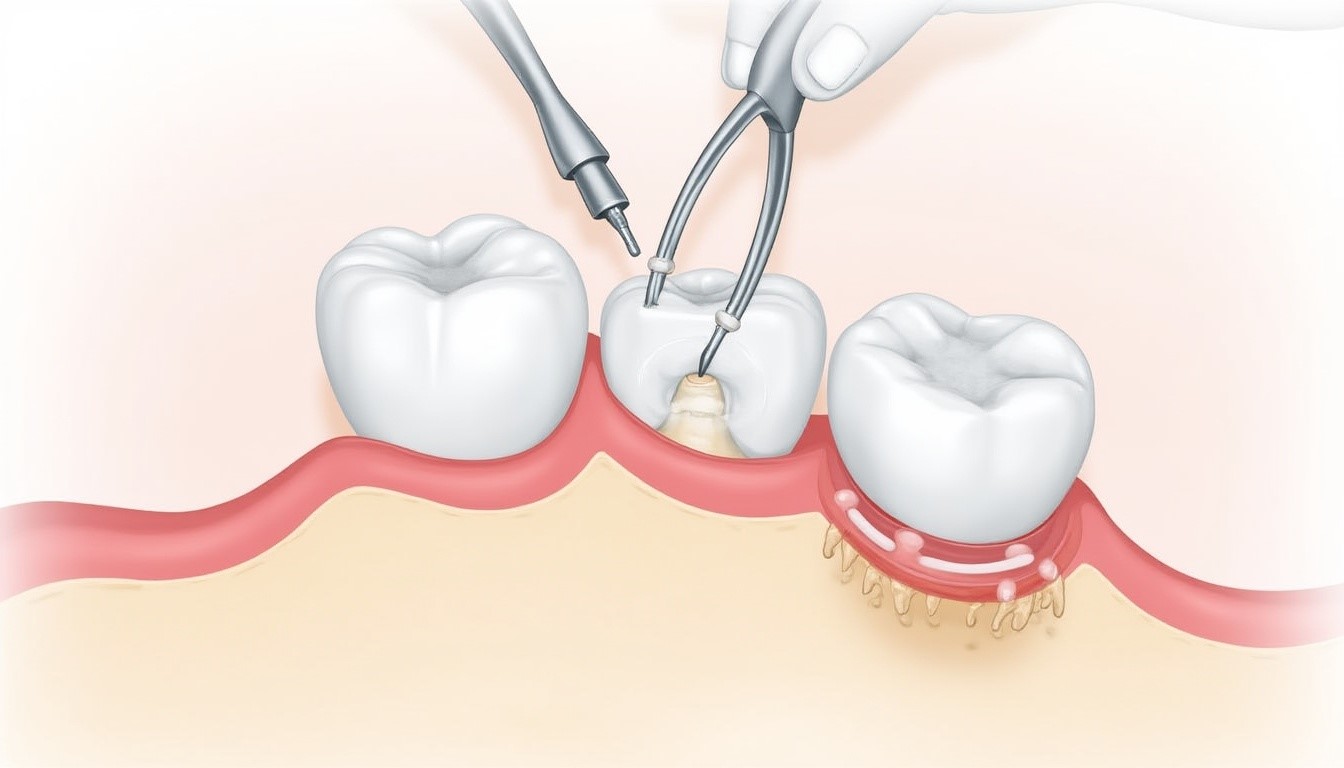
Types of tooth removal
- Simple Extraction: Removal of a visible tooth under local anaesthetic
— quick and straightforward. - Surgical Extraction: For teeth below the gumline or impacted teeth,
requiring a small incision and sometimes bone removal.
How tooth removal works
Examination and X-rays: We assess the tooth’s position, health, and surrounding structures.
Local Anaesthetic: The area is numbed to ensure you feel no pain during the procedure.
Removal: For simple extractions, the tooth is gently rocked and lifted out. For surgical cases, a small incision may be made to access the tooth.
Aftercare: You’ll receive instructions to manage bleeding, swelling, and promote healing.
Benefits of tooth removal
- Removes painful or infected teeth.
- Prevents spread of infection.
- Creates space to correct bite or alignment.
- Eliminates risk of future complications from damaged teeth.
- Prepares your mouth for restorations like implants or dentures.
What to expect after tooth removal
- Mild discomfort and swelling for a few days.
- Avoid smoking, drinking through straws, or strenuous activity to promote healing.
- Follow prescribed care instructions carefully.
- Soft foods and good oral hygiene aid recovery.
- Regular follow-ups to monitor healing.
- Most patients heal well within 1–2 weeks.
Safe, comfortable, and professional care
Our team prioritises your comfort and safety throughout the extraction process. We’ll discuss all options and support you before, during, and after treatment.
If you’re experiencing tooth pain or have concerns about your teeth, book a consultation today to explore the best solution for you.

Frequently Asked Questions
You won’t feel pain during the procedure thanks to local anaesthetic. Mild soreness afterward is normal and can be managed with pain relief.
Most patients recover within 1 to 2 weeks, depending on the complexity of the extraction and how well aftercare instructions are followed
Stick to soft foods like yoghurt, soup, mashed potatoes, and smoothies for the first few days. Avoid hot, spicy, or crunchy foods until healed.
Light activities can usually be resumed within 24 hours. Avoid heavy exercise or strenuous work for at least a few days.
Depending on your needs, options include:
· Dental implants.
·Bridges.
·Partial dentures.
Your dentist will discuss the best replacement options to restore your smile.
The Smile Hub
Your Guide to Lasting Oral Health & Beyond

contact Us
Opening Hours
Mon
8:00 AM - 5:30 PM
Tue
8:00 AM - 5:30 PM
Wed
8:00 AM - 5:30 PM
Thu
8:00 AM - 5:30 PM
Fri
8:00 AM - 5:30 PM
Sat
8:00 AM - 12:30 PM
Sun
Closed
Areas We Service
Five Dock | Rodd Point | Russell Lea | Wareemba | Abbotsford | Canada Bay | Haberfield
©2026 Vivid Dental,