A cracked or fractured tooth can happen to anyone — whether from [...]
Mon 8:00 AM - 5:30 PM
Tue 8:00 AM - 5:30 PM
Wed 8:00 AM - 5:30 PM
Thu 8:00 AM - 5:30 PM
Fri 8:00 AM - 5:30 PM
Sat 8:00 AM - 12:30 PM
Sun Closed
Dental Crowns
Protect, strengthen & restore your tooth
Dental crowns are a strong, custom-made solution used to repair, protect, and restore damaged or weakened teeth. Whether you have a cracked tooth, large filling, or a tooth that’s undergone root canal treatment — a crown can bring back both function and confidence in
your smile.
What are Dental Implants?
Dental implants are artificial tooth roots made from biocompatible titanium. They’re surgically placed into the jawbone, where they integrate with the bone to support a crown, bridge, or denture.
Once healed, the implant provides a strong, stable foundation for a permanent replacement tooth — offering the closest thing to your natural tooth in both appearance and function.
What is a Dental Crown?
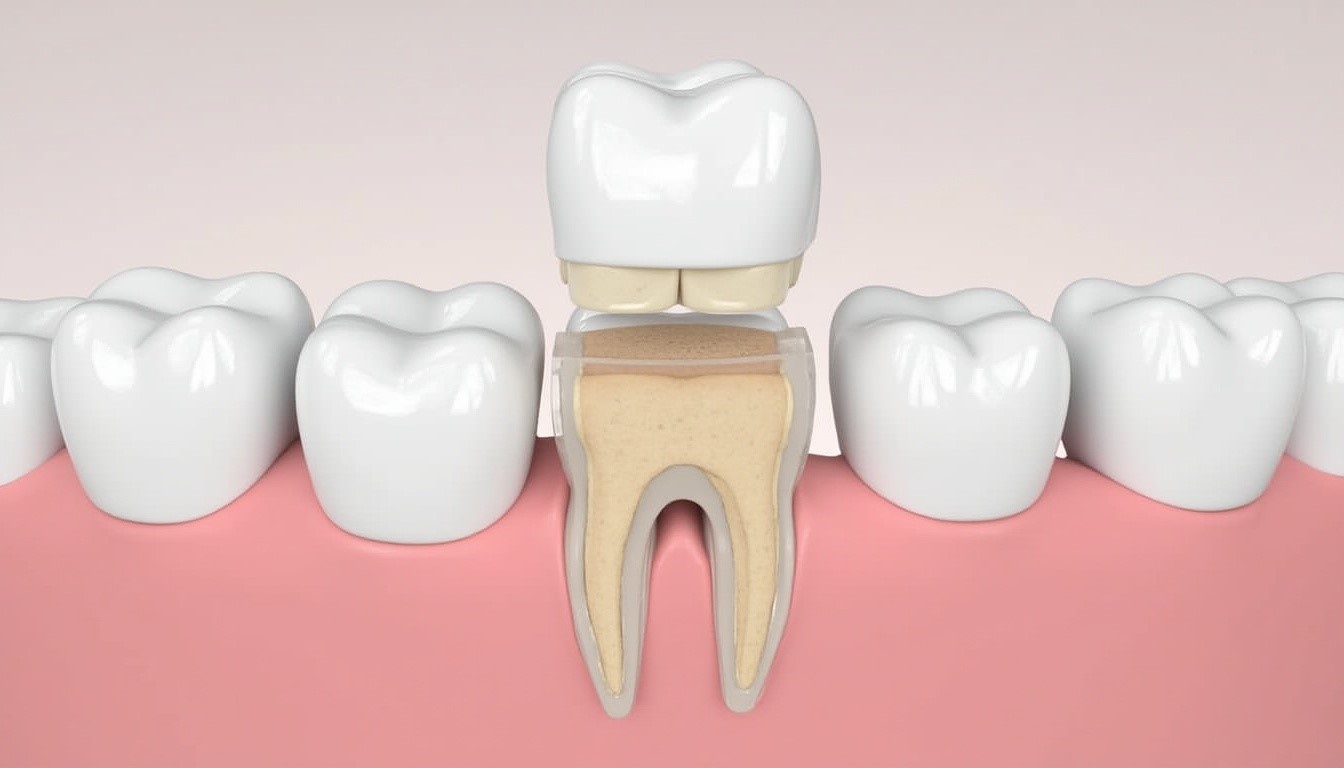
A dental crown (also called a "cap") is a tooth-shaped cover that fits over the entire visible portion of a tooth. It’s designed to strengthen the tooth, restore its shape and size, and improve its appearance.
Crowns are commonly made from porcelain, ceramic, zirconia, or a combination of metal and porcelain, depending on your needs and where the crown will be placed.
When is a Crown needed?
You may need a crown to:
- Protect a cracked or weakened tooth from breaking.
- Restore a worn down or broken tooth.
- Cover a tooth with a large filling.
- Complete a dental implant.
- Support a dental bridge.
- Improve the appearance of a misshapen or discoloured tooth.
- Reinforce a tooth after root canal treatment.
Benefits of Dental Crowns
- Restores strength and function to a damaged tooth.
- Improves appearance — colour-matched for a natural look.
- Protects the tooth from further wear, cracking, or decay.
- Durable and long-lasting with proper care.
- Custom-designed for a precise, comfortable fit.
- Improves chewing and bite alignment.
The Crown Treatment process
- Examination & Preparation: We examine the tooth, take X-rays if needed, and prepare the tooth by removing any damaged or decayed areas. The tooth is then shaped to make room for the crown.
- Digital Scan or Impression: We take a 3D scan or impression of your tooth to create a custom crown that fits perfectly.
- Temporary Crown (if needed): A temporary crown is placed while your permanent one is made in the lab (usually takes 1–2 weeks).
- Final Fitting: At your next appointment, we remove the temporary crown and fit your new, permanent crown. We check the fit and bite before cementing it securely in place.
Types of Dental Crowns
- TypeBest For Features.
- Porcelain/CeramicFront teethNatural colour match, highly aesthetic.
- ZirconiaBack teethExtremely strong and durable.
- Porcelain-fused-to-metal (PFM) Back teeth or bridgesStrength + natural appearance.
- Gold or MetalMolars (occasionally) Most durable, but not tooth-coloured.
We’ll help you choose the best option based on your tooth’s location, cosmetic goals, and budget.
How long do Crowns last?
With good care, crowns can last 10–15 years or more. Regular check-ups, brushing and flossing, and avoiding hard foods will help prolong their life.
Restore & protect your smile
A crown not only restores the function of a damaged tooth — it helps protect your long-term oral health. If you have a weakened, worn, or broken tooth, a dental crown may be the ideal solution.
Book your appointment today to discuss your options and protect your smile with confidence.

Frequently Asked Questions
Yes! We colour-match your crown to blend with your surrounding teeth.
Porcelain and ceramic crowns are especially natural-looking — most people won’t even notice.
Not at all. The procedure is done under local anaesthetic, so you won’t feel any pain. Some mild sensitivity is normal after the preparation, but it passes quickly.
Care for it just like a natural tooth:
· Brush twice daily with fluoride toothpaste.
· Floss daily, including around the crown.
· Avoid chewing hard objects (ice, pens).
· Visit your dentist regularly for check-ups.
Crowns are securely cemented in place, but occasionally they may come loose if the underlying tooth decays or the cement wears down. If this happens, contact us immediately — we can usually re-cement or replace the crown.
A filling repairs a smaller area of decay or damage, while a crown covers the entire tooth, offering more strength and protection —
especially when a tooth is severely weakened or after root canal treatment.
The Smile Hub
Your Guide to Lasting Oral Health & Beyond

contact Us
Opening Hours
Mon
8:00 AM - 5:30 PM
Tue
8:00 AM - 5:30 PM
Wed
8:00 AM - 5:30 PM
Thu
8:00 AM - 5:30 PM
Fri
8:00 AM - 5:30 PM
Sat
8:00 AM - 12:30 PM
Sun
Closed
Areas We Service
Five Dock | Rodd Point | Russell Lea | Wareemba | Abbotsford | Canada Bay | Haberfield
©2026 Vivid Dental,