What You’ll Learn: This blog will help you understand two important early [...]
Mon 8:00 AM - 5:30 PM
Tue 8:00 AM - 5:30 PM
Wed 8:00 AM - 5:30 PM
Thu 8:00 AM - 5:30 PM
Fri 8:00 AM - 5:30 PM
Sat 8:00 AM - 12:30 PM
Sun Closed
Pre-Orthodontics
Early intervention for a healthier, straighter smile
Pre-orthodontics is early dental guidance for children, designed to support the natural growth of the jaw, guide developing teeth into better positions, and potentially reduce or even eliminate the need for braces later on.
This proactive approach allows us to identify and correct problems early, giving your child the best chance for a healthy, confident smile.
What is Pre-Orthodontics?
Pre-orthodontics refers to treatment or monitoring done during the early mixed dentition stage — when a child still has baby teeth but permanent teeth are beginning to come in (usually ages 6 to 10).
At this stage, we assess the development of the teeth and jaws, looking for any signs of misalignment, crowding, or bite issues before they become more complex.
What Pre-Orthodontics can address
- Narrow jaws or crossbites.
- Overbites or underbites.
- Early crowding of adult teeth.
- Thumb-sucking or tongue-thrusting habits.
- Mouth breathing or speech issues.
- Abnormal tooth eruption patterns.
- Teeth grinding or jaw tension.
Early action can guide natural development and reduce the need for complex orthodontics later.
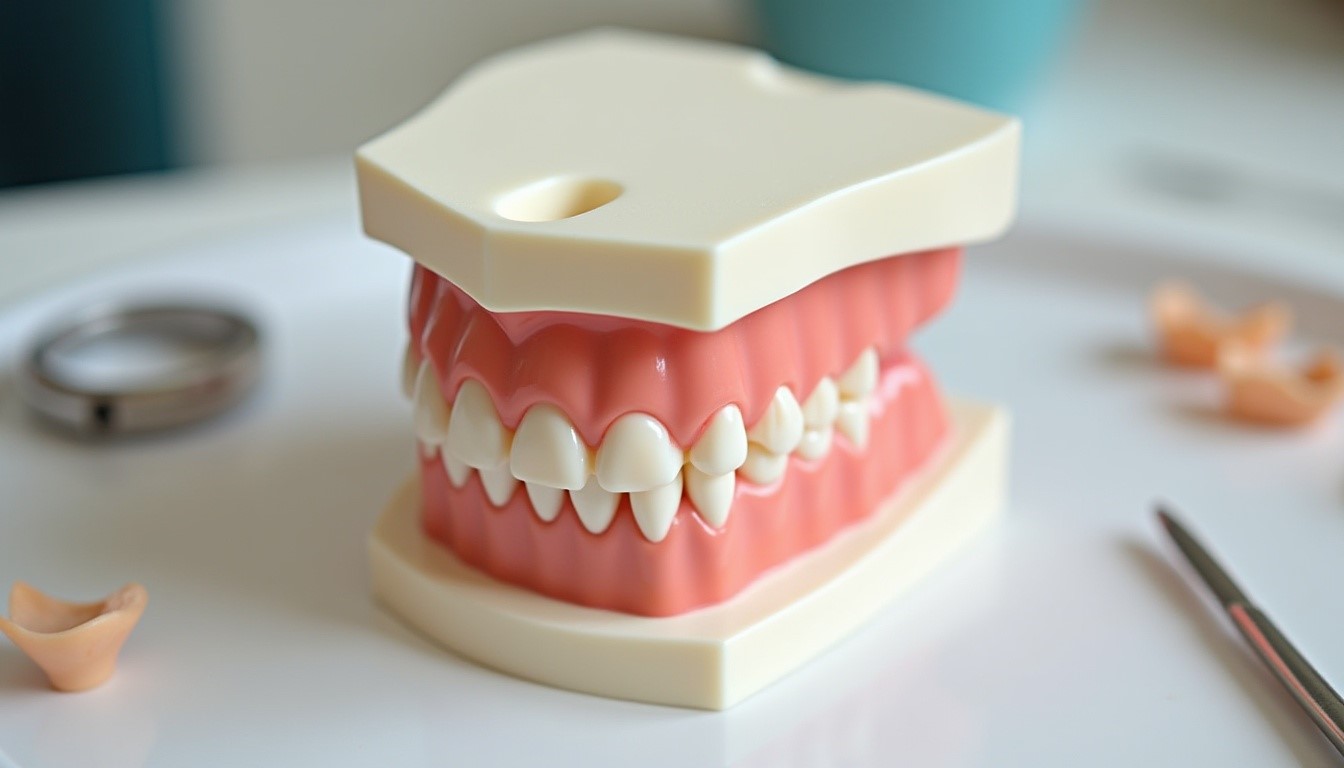
How Pre-Orthodontic treatment works
Every child is different, but treatment may involve:
- Growth Monitoring: Regular assessments to track jaw and tooth development.
- Habit Correction: Helping stop thumb-sucking or tongue habits affecting alignment.
- Myofunctional Appliances: Removable plates or guides that support proper jaw growth and muscle function.
- Arch Expansion: Gentle widening of the upper jaw if it's too narrow for adult teeth.
- Interceptive Braces (if needed): Early-stage braces or spacers to guide teeth before full orthodontics.
Benefits of Pre-Orthodontics
- Guides jaw and facial growth naturally.
- Creates space for adult teeth to emerge correctly.
- Can prevent or shorten future braces treatment.
- Improves breathing, speech, and swallowing patterns.
- Addresses bad habits early on.
- Builds confidence and comfort at the dentist.
Early orthodontic evaluation is not about rushing into braces — it’s about setting the foundation for lifelong oral health.
When should my child see an Orthodontist?
We recommend every child have their first orthodontic assessment by age 7. At this stage, we can detect subtle issues that may not be obvious yet — and intervene early if needed.
Not all children will need early treatment, but monitoring ensures we act at the right time, if necessary.
Start early for a lifetime of smiles
If you’re unsure whether your child’s teeth and jaw are developing normally, a quick, gentle evaluation can give you peace of mind — and potentially prevent more serious problems down the track.
Book a pre-orthodontic consultation today to support your child’s healthy growth and smile.
A Confident smile starts here
Fixed braces remain one of the most reliable orthodontic options for patients of all ages. If you're looking for effective, lasting results — especially for more complex dental needs — fixed braces could be your best choice.
Book your consultation today and take the first step toward your straighter smile.

Frequently Asked Questions
Pre-orthodontics happens before full braces. It focuses on guiding jaw development and creating the right conditions for adult teeth to come
in, often reducing the need for more intensive treatment later.
In many cases, yes — early treatment can prevent or simplify the need for braces. However, some children may still require braces during
their teens, but for a shorter time and with less complexity.
No. Most treatments are gentle, removable appliances or small interventions like habit correction. They're designed to work gradually and comfortably as your child grows.
Even if everything looks okay on the surface, underlying issues like jaw width, bite development, or hidden crowding may not be visible. An
early check-up helps catch these before they become harder to fix.
Look out for:
· Crowded or crooked baby teeth.
· Thumb or finger sucking.
· Difficulty chewing or speaking.
· Mouth breathing.
· Jaw clicking or grinding sounds.
· Teeth not meeting properly when biting.
If you notice any of these, it’s worth getting a professional opinion.
The Smile Hub
Your Guide to Lasting Oral Health & Beyond
Habit Correction: Helping Stop Thumb-Sucking and Tongue Habits Affecting Dental Alignment
What You’ll Learn: In this blog, we’ll discuss how common oral habits [...]
Fixed Braces: A Proven Path to a Straighter, Healthier Smile
If you or your child are considering orthodontic treatment, fixed braces are [...]

contact Us
Opening Hours
Mon
8:00 AM - 5:30 PM
Tue
8:00 AM - 5:30 PM
Wed
8:00 AM - 5:30 PM
Thu
8:00 AM - 5:30 PM
Fri
8:00 AM - 5:30 PM
Sat
8:00 AM - 12:30 PM
Sun
Closed
Areas We Service
Five Dock | Rodd Point | Russell Lea | Wareemba | Abbotsford | Canada Bay | Haberfield
©2026 Vivid Dental,